Welcome to BEING MORTAL
The BEING MORTAL campaign aims to support people to celebrate life and acknowledge, talk about and plan for death, dying and grieving. These are natural processes. If we can talk more easily and comfortably about life and death, we can live and die well.
Why do we need to talk about death and dying?
It is natural to feel frightened about the unknown. Death is one of the big unknowns of life. However, if we don’t talk about it, we can’t overcome our fear and live the way we want to. This video explains more about the importance of talking.
What we do
We run community-based projects to help people to celebrate life and begin to talk about and plan for death and dying in a natural way.
The Circle of Life project
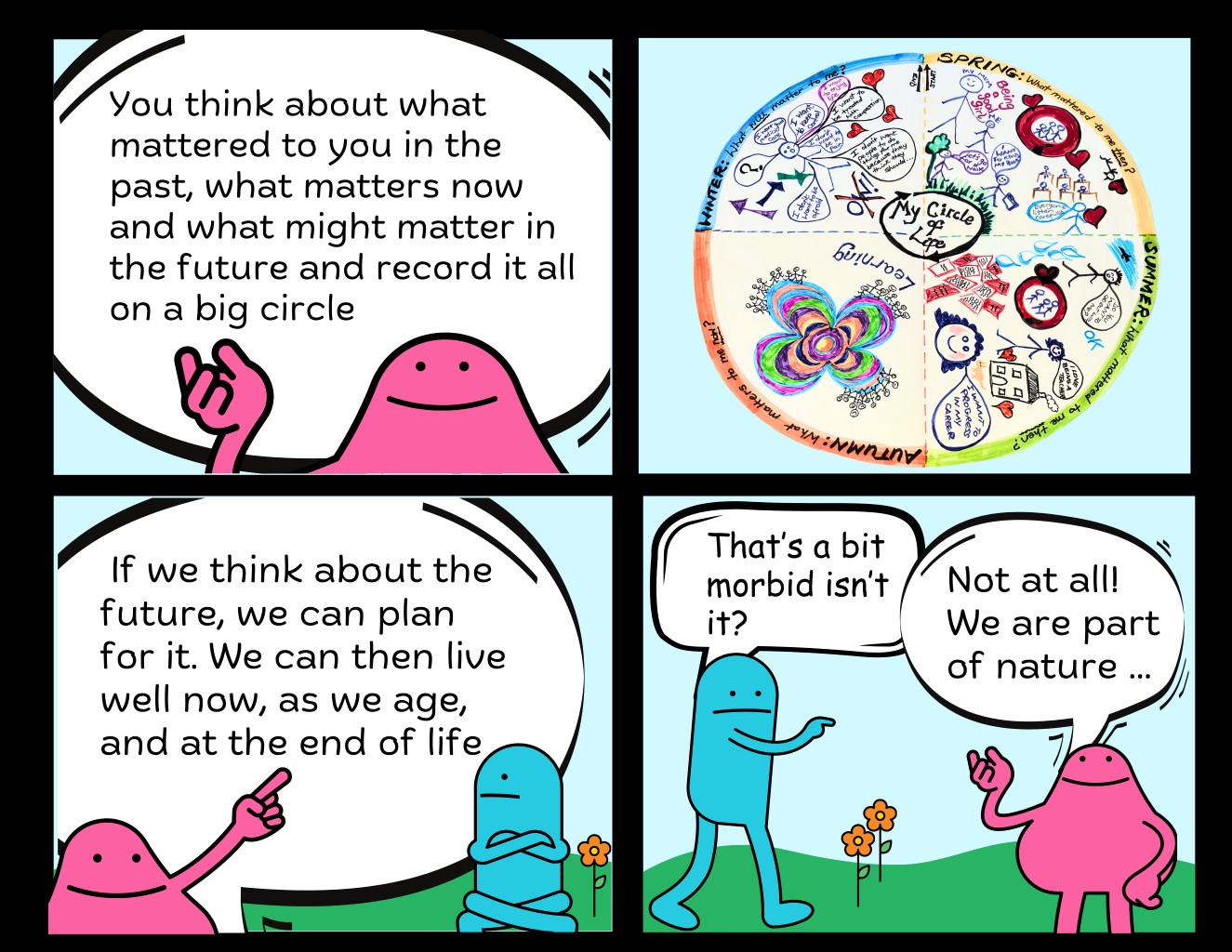
The Circle of Life Project encourages participants to look back at the people and experiences which have shaped us, to appreciate what gives our lives meaning today, and to consider what we hope for in the future. We can then make thoughtful choices about how we want to live, how we wish to be cared for, and the legacy we want to leave behind.
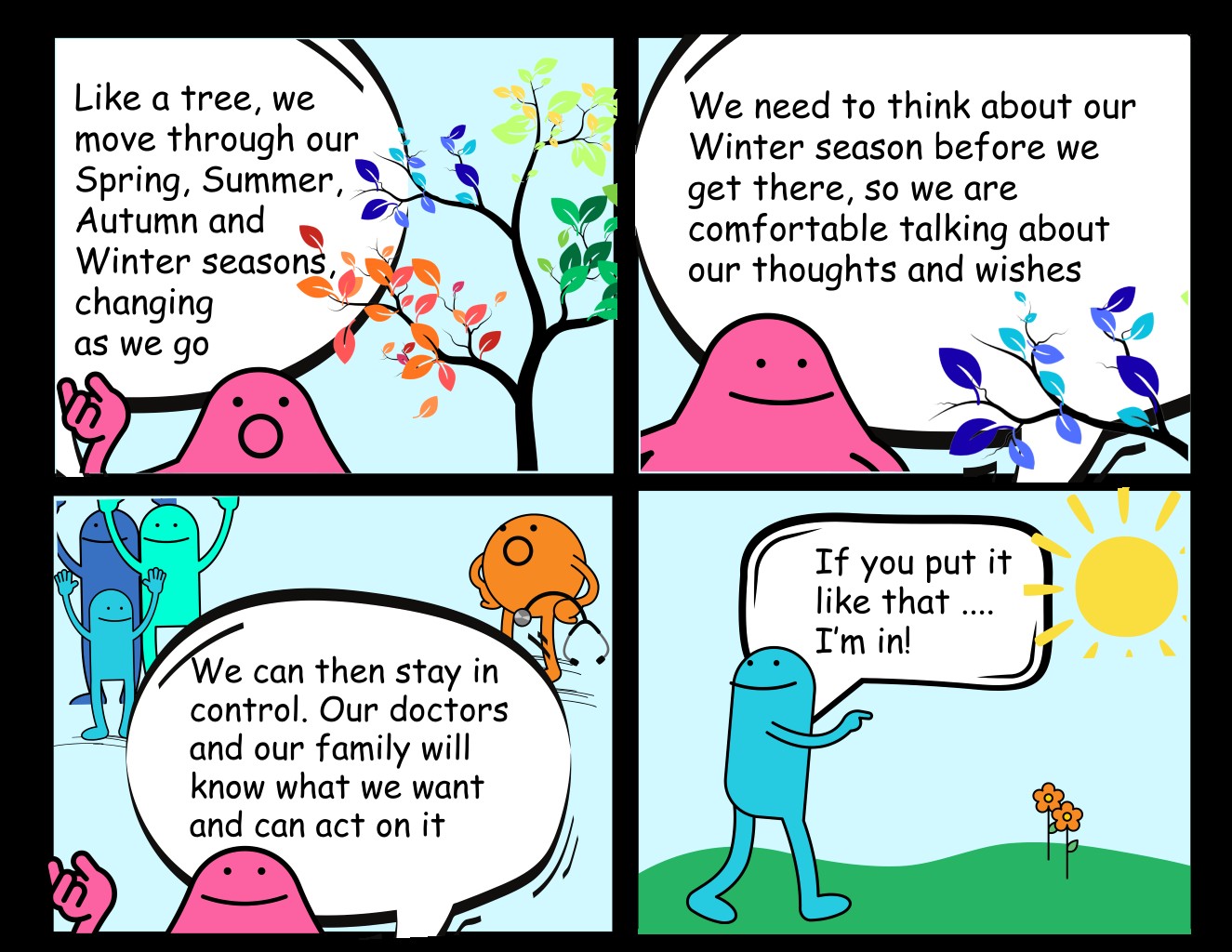
This comic strip explores what happens in a Circle of Life workshop.

The Wisdom and Wishes project
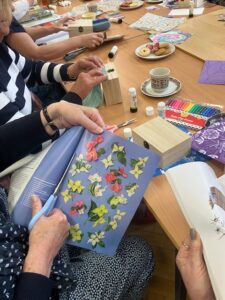
We can’t avoid life’s challenges but we can learn from those who have faced them before. In Wisdom and Wishes workshops, participants are invited to create a personalised box. They can use this to store a collection of memories, objects and written reflections which capture the experiences and learning that have shaped their lives.
The Nature Connection project
In today’s busy world people can feel they have lost their everyday connection with nature. Our Nature Connection workshops invite participants to slow down, observe, explore and reconnect with the natural world. Through shared experiences and gentle reflection, participants are encouraged to deepen their relationship with nature while contemplating life’s natural cycles.
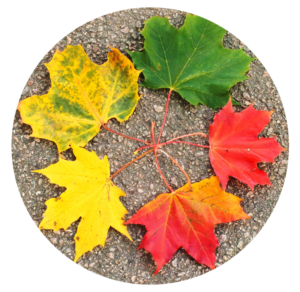
We also research our own work and offer collaborative support to individuals and organisations who are developing learning and practice in the field of death literacy.
Why our work matters
Talk about dying and death is not always welcome. These statistics (reported by Marie Curie in 2024) show most of us think we should talk more about death, but few of us actually discuss our end-of-life wishes. This means we can be unprepared for an inevitable life event. The grief of family and friends can also be increased. We need to break this cycle by opening up more safe, supportive spaces for communities to come together and explore this topic.
This is about more than planning for the end of life. It is about celebrating life, cherishing what matters most, and ensuring that our voice, values and wishes continue to guide those we love.
Downloadable Resources
We have produced some resources to help us think, talk and plan for death, dying and grieving. Download them here.
Preparing for the end of life
Provides information on what to expect from the dying process, the practical things you need to do once your loved one has died, and where you can get support.
Let’s talk about…
A booklet produced as part of the Being Mortal campaign, encouraging us all to celebrate life and acknowledge, talk about and plan for death, dying and grieving.